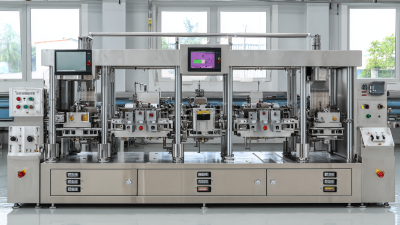
What Is the Top Pouch Sealing Machine in 2026?
What is the top pouch sealing machine in 2026? The answer is not simply the fastest model on a showroom floor. In real packaging rooms, operators judge seal strength, temperature stability, changeover time, cleaning access, and service response. A machine may seal 80 pouches per minute, yet struggle with dusty powder or uneven film. That detail matters. This guide explores how leading machines perform under practical production conditions, rather than relying only on impressive brochures.
The evaluation considers pouch materials, sealing widths, heating controls, conveyor design, operator safety, and maintenance requirements. It also examines how easily workers can adjust pressure and temperature during a busy shift. Small controls can make a large difference. Experienced packaging teams often notice problems before laboratory figures reveal them. Still, personal experience can be incomplete, especially across different films and product weights. That assumption needs testing. Reliable selection should combine manufacturer data, documented testing, user feedback, and qualified technical advice. Buyers should request sample trials using their actual pouches and products. They should also inspect spare-part availability, warranty terms, and local service coverage. A dependable pouch sealing machine should deliver consistent seals without creating unnecessary waste or difficult downtime. No machine wins every test. The strongest choice depends on production volume, package design, budget, and future expansion plans. This introduction sets a practical framework for identifying the most balanced option in 2026.
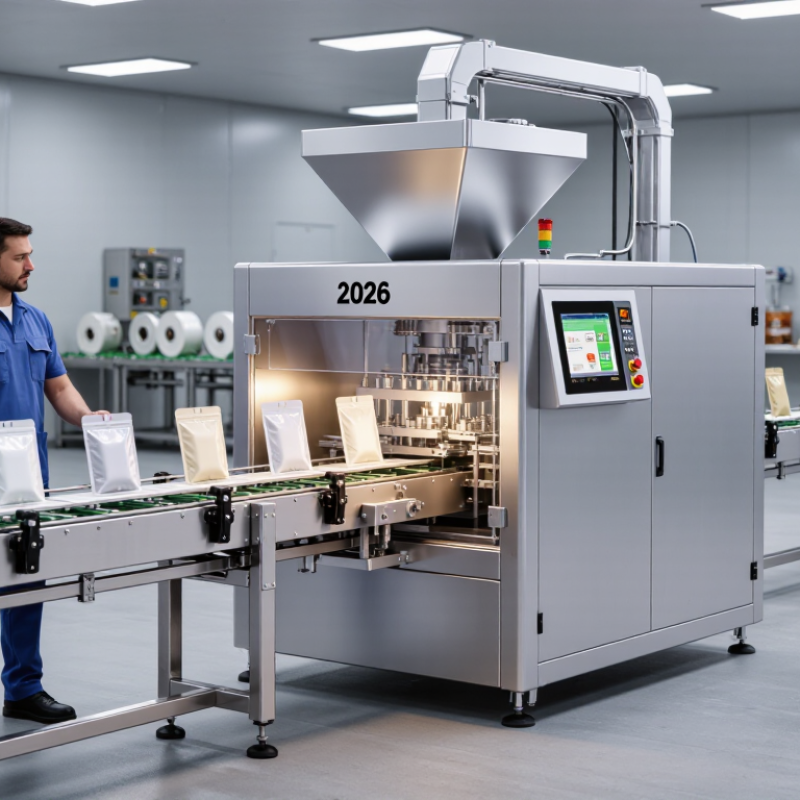
What Is a Pouch Sealing Machine and How Does It Work?
What Is the Top Pouch Sealing Machine in 2026?
What Is a Pouch Sealing Machine and How Does It Work?
A pouch sealing machine closes a filled pouch by applying controlled heat and pressure to its inner sealant layers. Many machines use heated jaws: the pouch enters the sealing area, the jaws press its edges together, and heat softens the material. After a brief hold, the seal cools and bonds. Simple in principle. Precise settings matter.
Depending on the pouch and production line, machines may seal pre-made pouches or form, fill, and seal bags from a roll of film. Operators adjust temperature, pressure, and dwell time to suit the film structure and line speed. Too little heat can leave weak seals; too much may wrinkle or damage the material. In practice, the first setup is not always perfect. Test seals and routine checks help identify problems before they affect a full run.
PMMI’s 2023 State of the Industry report placed U.S. packaging machinery shipments at about $10.2 billion in 2022, reflecting the scale of investment in packaging equipment. That figure covers machinery broadly, not pouch sealers alone.
Tips: Match the sealer to pouch material, size, and expected output. Check seals after changing settings, and keep jaw surfaces clean. A fast machine is not necessarily the best fit.
Which Types of Pouch Sealing Machines Are Available in 2026?
What Is the Top Pouch Sealing Machine in 2026?
Which Types of Pouch Sealing Machines Are Available in 2026?
There is no single pouch sealing machine that suits every product. The right choice depends on pouch material, opening width, production speed, and available floor space. A small operation sealing a few dozen pouches daily may need a different setup from a packing line running continuously. Seal quality matters more than impressive speed. A weak or uneven seal can lead to leaks and wasted product.
Impulse sealers use a brief burst of heat and suit many smaller production runs. Some models use a foot pedal, leaving both hands free to position the pouch. Continuous band sealers move pouches along a heated belt, making them useful for higher volumes. Rotary sealers can seal while pouches travel through an automated line. Vacuum sealers remove air before closing the pouch, but they are only appropriate for products and packaging designed for vacuum packing. I would not assume one type is best without testing the actual pouch film.
Tips: Check the film supplier’s sealing range before setting temperature and pressure. Test several filled pouches, not just empty samples. Look closely at the seal for wrinkles, gaps, or scorching. One detail is easy to miss: a reliable seal may require adjustments when pouch thickness or product residue changes.
What Features Define a Top Pouch Sealing Machine in 2026?
A top pouch sealing machine in 2026 must deliver more than speed. Grand View Research valued the global flexible packaging market at about $293.4 billion in 2023. It also forecasts approximately 4.1% annual growth through 2030. That pressure makes seal consistency commercially important.
Seal control comes first. The machine should manage temperature, pressure, and dwell time independently. Servo-driven jaws can reduce variation during long production runs. Operators should also verify seal strength using ASTM F88/F88M methods. Leak testing matters too, especially for liquid or oxygen-sensitive products. A small wrinkle can become a costly failure.
Smart features now define practical performance. PMMI’s 2024 State of the Industry report identifies labor shortages, uptime, and digital connectivity as major packaging concerns. Therefore, a strong system needs recipe storage, guided changeovers, alarm history, and remote diagnostics. It should record temperature drift and reject patterns automatically. Clear displays help, but poor software can still slow a skilled operator. That is easy to overlook. Tool-free jaw access and washable surfaces improve daily handling. Energy monitoring is useful, although savings depend on maintenance and operating habits. No machine is perfect. Buyers should test real pouch materials, film thicknesses, speeds, and filled conditions before approval. A polished demonstration is not enough.
How Should Businesses Compare Pouch Sealing Machines?
Businesses should compare pouch sealing machines by measurable performance, not impressive speed claims. Grand View Research valued the global pouch packaging market at approximately $46.56 billion in 2023. It also forecasts a 5.5% compound annual growth rate from 2024 to 2030. That expansion increases pressure on equipment reliability, flexibility, and operator safety.
Speed is not everything. A practical comparison starts with seal integrity. Ask for test results using the actual pouch film, product residue, and planned filling speed. Check temperature stability across the sealing jaws. A small fluctuation can create weak edges, wrinkles, or hidden channels. ASTM-based seal strength testing and leak testing provide more useful evidence than showroom demonstrations.
Changeover time matters too. Record how long one trained operator needs to adjust guides, temperatures, and pressure. PMMI industry research repeatedly identifies labor availability and automation as major packaging challenges. Therefore, clear controls, recipe storage, and error alerts deserve serious attention. Calculate total cost over five years, including electricity, spare parts, maintenance, rejected pouches, and training.
Measure the seal. Then inspect the waste.
Energy use should be compared per thousand sealed pouches, not only by motor rating. A machine with a lower purchase price may demand more manual correction. That difference is easy to overlook. I would also request a factory trial with difficult pouch materials, because smooth samples can hide real production problems. No comparison is perfect, but documented trials reduce expensive assumptions.
What Is the Top Pouch Sealing Machine in 2026?
There is no universal “top” machine. The best choice depends on required throughput, pouch material, seal consistency, and whether vacuum removal is needed. The chart compares typical operating throughput for common pouch-sealing machine types.
How businesses should compare: Use continuous band sealing for higher-volume production, constant-heat sealing when reliable temperature control is important, impulse sealing for lower-volume flexible packaging, and vacuum chamber sealing when air removal is part of the process. Actual performance varies with pouch size, material, operator workflow, and seal specifications.
Which Industries Benefit Most from Pouch Sealing Machines?
Pouch sealing machines are useful wherever products need clean, repeatable packaging in flexible bags. Food producers often use them for coffee, dried fruit, frozen vegetables, and ready-to-eat meals. A snack pouch may pass through filling, sealing, and date coding in one production line. Beverage makers also use pouch formats for concentrates and other pourable products. Small details matter. A seal must suit the film, filling temperature, and expected storage conditions.
Cosmetics and personal-care companies package creams, shampoos, and sample-sized products in pouches. Household-product manufacturers use them for items such as detergents and cleaning solutions, where leak control is important. Agriculture suppliers may package seeds, soil amendments, or animal feed, depending on product and packaging requirements. Medical and healthcare manufacturers can use pouch sealing for suitable supplies, but packaging materials and seal performance need careful validation. Fit matters. Across industries, the right machine depends on pouch size, material, output volume, and whether products contain powders, liquids, or solids. Operators should check seal consistency during production, not just at setup. A seal can look tidy and still fail under pressure, so real product testing is worth the extra time.
What Is the Top Pouch Sealing Machine in 2026? Which Industries Benefit Most from Pouch Sealing Machines?
There is no single best machine for every operation. The most suitable choice depends on pouch format, production volume, product characteristics, and required seal consistency. Throughput figures below are indicative ranges; actual rates vary with pouch size, filling method, operator skill, and line configuration.
| Industry | Common Pouch Applications | Suitable Sealing Machine Type | Typical Indicative Throughput | Key Benefits | Important Selection Considerations |
|---|---|---|---|---|---|
| Food and snacks | Dry snacks, grains, confectionery, frozen foods, and stand-up pouches | Automatic premade-pouch filling and sealing machine; rotary systems for higher-volume lines | About 20–80 pouches per minute, depending on machine configuration | Consistent seals, support for repeatable production, and compatibility with a range of pouch formats | Check food-contact requirements, product crumbs or oil at the seal area, pouch material, and any required gas-flushing capability. |
| Coffee and tea | Ground coffee, whole beans, loose-leaf tea, and single-use sachets | Premade-pouch system or form-fill-seal equipment with heat sealing; optional gas flushing where appropriate | About 15–60 pouches per minute | Can provide repeatable package closure and accommodate barrier pouches designed to protect aroma and freshness | Confirm the pouch barrier structure, valve or zipper requirements, seal compatibility, and product-protection needs. |
| Pharmaceuticals and medical supplies | Medical components, diagnostic kits, and selected dry or sterile products | Validated heat-sealing equipment with controlled temperature, pressure, and dwell time | About 5–40 pouches per minute, depending on validation and handling requirements | Controlled sealing parameters can support documented, repeatable packaging processes | Equipment and packaging must meet applicable regulations and validation requirements. A sealer alone does not establish sterility or compliance. |
| Personal care and cosmetics | Refills, wipes, sample sachets, powders, and liquid or gel pouches | Continuous band sealer for filled bags; automatic pouch equipment for integrated production | About 5–60 pouches per minute, depending on filling and sealing setup | Helps produce consistent closures across small packs and refill formats | Test the film or laminate with the product, especially for liquids, oils, fragrances, or residue near the seal. |
| Agriculture and horticulture | Seeds, fertilizer, soil amendments, and animal feed supplements | Heavy-duty continuous band sealer or automated bagging and sealing line | About 5–30 pouches per minute | Supports flexible pack sizes and can be integrated with weighing or filling equipment | Consider dust control, pouch weight, seal contamination, bag thickness, and the required resistance to handling and storage. |
| Household and cleaning products | Detergent refills, powders, wipes, and selected liquid concentrates | Automatic premade-pouch system or continuous band sealer, selected for the pouch and product | About 10–60 pouches per minute | Can support refill packaging and repeatable sealing across suitable pouch materials | Assess chemical compatibility, leak resistance, liquid splash at the sealing area, and any required spout or zipper features. |
| Small businesses and short production runs | Hand-packed specialty foods, samples, small-batch goods, and trial products | Impulse heat sealer or foot-operated sealer | About 2–15 pouches per minute, depending on pouch size and operator workflow | Lower equipment complexity and straightforward changeovers for varied pouch sizes | Output depends heavily on manual handling. Match the jaw width and sealing method to the pouch material and production needs. |
Related Posts
-
Choosing a Reliable Manufacturer for the Best Pouch Sealing Machines with Industry Insights
-
The Evolution of Pouch Filling Machines Shaping the Future of Packaging Industry
-
7 Essential Features of the Best Pouch Filling Machine for Successful Packaging
-
What are the Best Form Fill Seal Machines for Global Buyers?
-
Top 5 Global Certifications You Need for the Best Pouch Machine in 2023
-
Emerging Trends in Food Packaging Technology 2025 Your Ultimate Guide to the Best Food Packing Machines