Top 10 Packaging Machines You Need to Know About
In today’s fast-paced production environment, the role of a "Packaging Machine" cannot be overstated. According to a report by Mordor Intelligence, the global packaging machinery market is projected to reach $50 billion by 2027. This growth reflects the increasing demand from various sectors, including food, pharmaceuticals, and consumer goods. Advances in technology are driving innovations, making packaging machines more efficient and versatile.
Packaging machines are not only vital for efficiency but also enhance product safety and branding. A study by the PMMI Business Intelligence shows that 59% of consumers prefer products with superior packaging. This demonstrates the critical role of packaging in consumer decision-making. However, as companies rush to adopt these machines, it’s essential to consider the long-term implications. Not all machines are created equal. Some may require significant maintenance or upgrades, and finding the right balance between cost and efficiency can be difficult.
Understanding the diverse types of packaging machines is crucial for any business. There is a range of options, including filling machines, labeling machines, and palletizers. Each serves a distinct purpose, yet companies often make the mistake of overlooking their specific needs. Investing in the right machine can streamline operations and minimize waste. As the industry evolves, staying informed about the latest trends and technologies is essential.
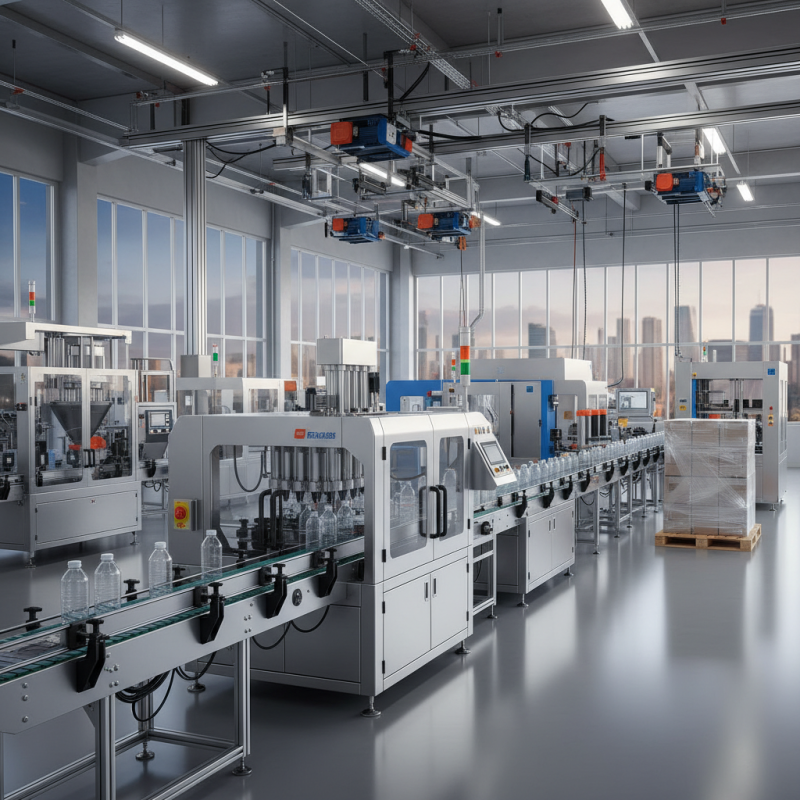
Top 10 Packaging Machines Transforming the Food Industry
In the rapidly evolving food industry, packaging machines play a crucial role. These devices not only enhance efficiency but also ensure food safety. High-speed filling machines, for instance, allow manufacturers to package large quantities quickly. This is vital in a market where consumer demand is ever-increasing.
Flexible packaging machines are transforming how food is presented. They use innovative materials that extend shelf life and maintain freshness. Consumers appreciate the convenience of single-serve packs. Changes in consumer behavior drive the need for adaptability in packaging solutions. However, keeping up with trends requires continuous improvement and investment.
Automation is another key aspect. Robotic arms streamline the packing process, reducing labor costs. Yet, this reliance on technology raises questions about reliability. Machinery can malfunction, leading to production halts. Maintenance and regular checks are essential. Balancing innovation with operational stability is a challenge many food manufacturers face.
Understanding the Advantages of Automated Packaging Systems
Automated packaging systems have transformed the packaging industry. They enhance efficiency and reduce labor costs. Companies are seeing faster production times and fewer errors. This has made packaging more reliable and consistent. Products are now packed with greater precision, which is crucial for maintaining quality.
Implementing these systems can be complex. It requires understanding the unique needs of your production line. Staff training is essential to fully utilize the technology. Some companies struggle with automation resistance among employees. Balancing technology with human input is vital for success.
The advantages of automated packaging extend beyond speed. They contribute to sustainability efforts by optimizing material usage. Wasted resources can lead to significant costs. Businesses must continually evaluate their processes. Adapting to change is necessary for future growth. Embracing automation may present challenges, but the benefits can lead to substantial long-term rewards.
Comparative Analysis of Vertical vs. Horizontal Packaging Machines
When it comes to packaging machines, understanding the difference between vertical and horizontal designs is essential. Vertical packaging machines are ideal for granulated products, such as sugar or salt. They use a continuous motion process, allowing for exceptional speed and efficiency. In contrast, horizontal machines are better suited for bulkier items, like snacks or pouches. These machines form, fill, and seal from the side, aiding in complex stacking processes.
Tips: Choose vertical machines for small or fine products. They can save space and energy. Horizontal machines are more versatile for various shapes, but they require more floor space.
It's intriguing to see how each type has its strengths and weaknesses. For instance, vertical machines may lack flexibility for varying package sizes. Horizontal options often require more maintenance due to their complexity. Evaluating these factors can make all the difference in operational efficiency.
Tips: Regular maintenance is key for any machine type. Neglecting this can lead to costly downtimes. Always assess your production needs before making a choice.
Top 10 Packaging Machines Comparison: Vertical vs. Horizontal
Key Features of High-Speed Packaging Machines in 2023
In 2023, high-speed packaging machines are increasingly vital for manufacturers. They enhance efficiency and reduce production time. According to recent industry reports, the market for these machines is projected to grow by over 6% annually through 2025. This growth emphasizes the need for advanced features in these systems.
One key feature is automation. Modern machines can work without constant human supervision. This significantly lowers labor costs and minimizes errors. However, not all companies can seamlessly integrate this technology. Some still rely on outdated methods, risking delays and inefficiencies.
Another important characteristic is adaptability. High-speed machines can handle various materials, from plastics to biodegradable options. This flexibility is crucial in today’s eco-conscious market. Yet, some manufacturers struggle to keep up with changing regulations regarding materials. While high-speed machines offer enticing benefits, companies must have the infrastructure to support these innovations effectively.
Innovations in Sustainable Packaging Technologies and Their Impact
Sustainable packaging technologies are evolving rapidly. The global sustainable packaging market is projected to reach $500 billion by 2027, according to industry reports. Innovations focus on reducing plastic waste and using biodegradable materials. This shift is crucial as consumers demand eco-friendly options. Research shows that 72% of consumers are willing to pay more for products in sustainable packaging.
One emerging technology is the use of plant-based materials. These alternatives not only reduce carbon emissions but also lessen dependence on fossil fuels. Some companies are adopting water-soluble films made from natural sources. Such innovations can significantly cut down landfill contributions. However, there are challenges. These materials often cost more to produce and require new machinery for packaging lines.
In addition, recyclable packaging design is gaining traction. Brands aim to create packaging that can be fully recycled. Yet, the effectiveness of recycling programs varies by region. It highlights a gap in implementation. While technology advances, educating consumers on proper disposal remains essential. Industry players also need to collaborate for effective change. The journey towards sustainable packaging is complex, but progress is underway.