
What is a Plastic Jar with Lid and Its Uses?
Plastic jars with lids are versatile storage solutions widely used across various industries. According to a recent market report by Grand View Research, the global plastic jar market is expected to reach $3 billion by 2027. This growth is driven by increasing demand for effective packaging in the food and beverage sectors, where freshness and safety are paramount.
These jars serve multiple purposes, from storing dry goods in kitchens to packaging personal care products. Their durability and lightweight nature make them ideal for shipping and retail display. However, not all plastic jars are created equal; some may not be suitable for high-temperature contents, which can lead to leaching of chemicals. This concern raises questions about sustainability and consumer safety.
While plastic jars with lids offer convenience, they also contribute to environmental challenges. The recycling rates for plastic remain discouragingly low, with only about 9% being recycled in some regions. Consumers must be mindful of how these products impact the planet. As manufacturers innovate, there is a pressing need to reflect on sustainable practices in the production and disposal of plastic jars.
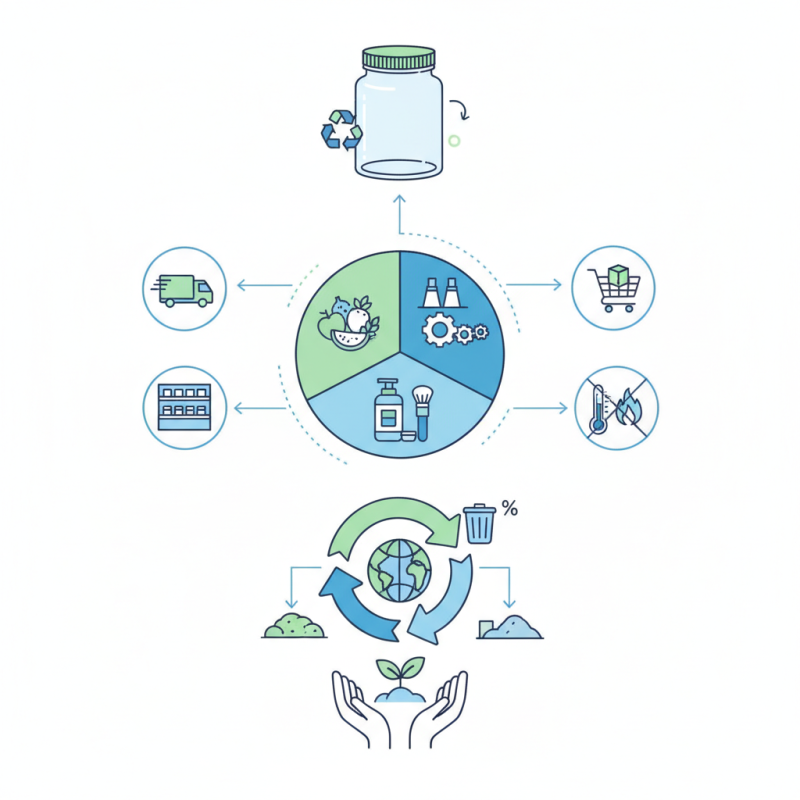
Definition and Description of Plastic Jars with Lids
Plastic jars with lids are versatile containers commonly used for various purposes. They come in different sizes and shapes, making them suitable for storage needs in homes and businesses. Their lightweight nature contributes to their popularity. Additionally, the transparent variants allow users to see the contents easily.
These jars are frequently utilized for food storage, craft supplies, and household items. They can hold anything from cookies to buttons. The secure lids help in preserving freshness. Yet, it is important to consider the quality of materials used. Not all plastic is created equal. Some may leach chemicals over time, especially with heat. This is a concern for food safety.
Many use plastic jars for organizing crafts or office supplies too. However, one might forget what’s inside if jars are not labeled. This can lead to clutter instead of organization. Reflecting on these details can enhance their utility. Choosing the right jar often requires trial and error, but in the end, they serve a practical purpose.
Common Materials Used in Plastic Jar Manufacturing
Plastic jars with lids are widely used in various industries. The materials used to manufacture these jars significantly impact their functionality and durability. Common materials include polyethylene (PE), polypropylene (PP), and polyethylene terephthalate (PET). Each of these materials offers unique properties.
For example, PET is often chosen for its clarity and strength. According to industry reports, PET has seen a steady increase in usage, with a projected growth rate of 4% annually until 2025. However, not all plastic materials are created equal. PE is frequently regarded for its flexibility but can compromise on rigidity. This means that while it is easy to handle, it may not be suitable for heavy or fragile contents.
Recycling rates for these plastics remain low, especially for PET and PP. Data indicates that only 30% of PET products are recycled globally. This highlights a significant environmental concern. Consumers are increasingly aware of this issue. There is a growing demand for sustainable options. Brands are challenged to innovate using biodegradable alternatives or recycled materials. This reflects a critical point of reflection for the industry. Balancing durability with environmental responsibility is no easy task.
What is a Plastic Jar with Lid and Its Uses? - Common Materials Used in Plastic Jar Manufacturing
| Material Type | Description | Common Uses | Advantages |
|---|---|---|---|
| PET (Polyethylene Terephthalate) | A lightweight, strong plastic with good clarity. | Food packaging, personal care products. | Recyclable, resistant to impact and moisture. |
| HDPE (High-Density Polyethylene) | A dense, strong plastic known for its durability. | Household cleaners, industrial chemicals. | Chemical-resistant, impact-resistant. |
| PP (Polypropylene) | A versatile plastic with high resistance to heat. | Food containers, medical supplies. | Resistant to fatigue, easily recycled. |
| PS (Polystyrene) | A lightweight and rigid plastic. | Single-use containers, yogurt cups. | Cost-effective, good for insulation. |
| PVC (Polyvinyl Chloride) | A durable plastic available in rigid or flexible forms. | Medical containers, non-food applications. | Durable, weather-resistant. |
Various Applications of Plastic Jars in Household and Commercial Settings
Plastic jars with lids are extremely versatile. They serve various purposes in both household and commercial settings. In kitchens, these jars are perfect for storing spices, snacks, and dried goods. Their airtight seals help keep contents fresh. Tall jars are great for pasta, while smaller ones fit nicely for seasoning blends.
In commercial applications, plastic jars are used for packaging. They can hold everything from pickles to body scrubs. Custom labels can add a professional touch. However, not all jars are created equally. Some may not withstand high temperatures or long-term storage. It’s important to consider quality.
Creative ideas often emerge when using plastic jars. They can be repurposed into organizers or DIY projects. Kids enjoy painting and decorating them. This can lead to messy results, emphasizing the need for careful planning. Despite the flaws, these jars remain a go-to choice for many. Their practicality is hard to overlook.
Advantages of Using Plastic Jars with Lids Over Other Storage Options
Plastic jars with lids have become integral in various storage needs. They are lightweight yet sturdy. This characteristic makes them easy to transport. According to a recent market report, the global plastic container market is projected to grow by 5% annually through 2027. This growth reflects their increasing adoption across households and industries.
Using plastic jars over glass or metal offers distinct advantages. They resist shattering, which means less risk during handling. Many plastic jars are also designed to be airtight, extending the shelf life of food items. Research indicates that airtight containers can keep food fresh up to three times longer than non-airtight options. Moreover, from a cost perspective, plastic jars typically cost less than glass or metal alternatives.
While plastic jars have numerous benefits, they also raise concerns. Some materials may leach chemicals over time, especially with heat exposure. This has led to ongoing debates regarding safety standards. Consumers often struggle with these inconsistencies. They may love the convenience but worry about the long-term effects of plastic use. Balancing practicality and safety remains a challenge worth reflecting upon.
Tips for Choosing the Right Plastic Jar with Lid for Your Needs
When choosing a plastic jar with a lid, several factors should be considered. The right choice can enhance your storage experience. First, think about the material. Not all plastics are created equal. Some can withstand high temperatures, while others cannot. BPA-free options are always preferred for food storage. According to a recent industry report, flexible plastics make up over 30% of the packaging market. This trend highlights the importance of selecting the right materials.
Size is another critical aspect. Consider what you will store in the jar. If it’s for small items like spices, a compact jar works better. For bulk items like grains, a larger jar is ideal. It's important to note that not every jar comes with an airtight seal. If you need to keep contents fresh, ensuring the lid provides a secure closure is essential.
When looking for a jar, test the lid’s ease of use. A difficult-to-open lid can be frustrating daily. Pay attention to the jar's weight and durability as well. A flimsy jar may not hold up well over time. If you require multiple jars, standardizing sizes could make organization easier. These factors may affect your final decision, showing that sometimes a simple jar can have complexities hidden within.
