
Essential Tips for Choosing the Right Plastic Pouch Machine?

Choosing the right Plastic Pouch Machine is crucial for any packaging business. According to industry expert Dr. Lisa Turner, “The right machine can enhance efficiency and product quality.” As the demand for flexible packaging grows, selecting the ideal machine has become a complex but essential task.

Understanding your production needs is the first step. Every business is unique, and a one-size-fits-all approach often leads to dissatisfaction. You may find that a machine’s specifications do not meet your volume or product type, which can hinder operations. Features like speed, compatibility, and maintenance should align with your goals.

Consider the reliability of the manufacturer. A reputable company will provide not just quality machines but also continuous support. Investing in a Plastic Pouch Machine requires careful deliberation. It’s about more than just price; it’s about creating a long-term relationship. Be prepared to ask tough questions and seek clarity. In the end, the right choice can significantly impact your business success.
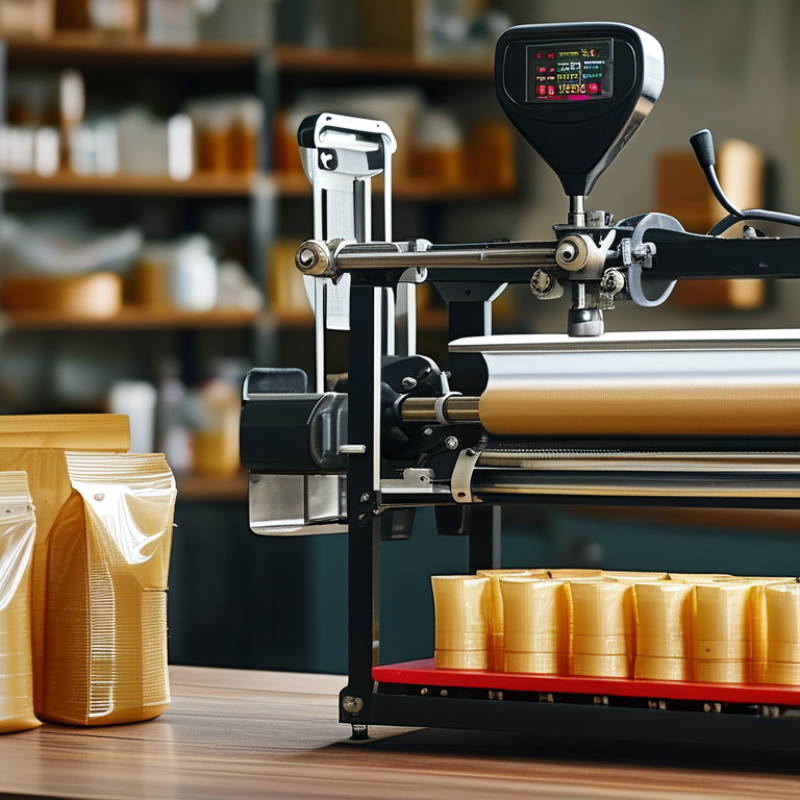
Essential Tips for Choosing the Right Plastic Pouch Machine?

Factors Affecting the Selection of Plastic Pouch Machines in Manufacturing

When selecting a plastic pouch machine, several factors come into play. One important factor is production capacity. Understanding your output needs will guide your machine choice. If your production volume fluctuates, consider machines that can be adjusted easily. This flexibility can save costs and ensure efficiency.

Another key consideration is the pouch type. Different machines may produce various pouch styles. Ensure the machine you choose can handle the specific dimensions and formats required for your products. Compatibility with different materials is also crucial. Some machines may only work with specific types of plastic, limiting your options.

Pay attention to the level of automation. Fully automated machines often enhance productivity but require higher initial investment. Semi-automated machines are a cost-effective alternative for smaller operations. Assess your budget and long-term plans before making a decision. Investing in training for your staff can lead to better machine handling. This investment pays off in the long run, as it improves operational efficiency. Always reflect on the future needs of your production line as you choose the right machine.

Understanding Different Types of Plastic Pouch Machines Available in the Market

When exploring plastic pouch machines, it's important to understand the different types available. These machines vary in design, capacity, and functionality. For instance, vertical form-fill-seal machines create pouches from rolls of film. They are efficient for smaller packaging needs. Horizontal pouch machines, on the other hand, are perfect for larger items and bulk packaging. Both have unique merits depending on production requirements.

Additionally, users must consider the machine's automation level. Fully automatic machines require less human intervention, thus increasing productivity. However, they come with higher upfront costs. Semi-automatic machines may be more feasible for smaller operations. They can require more hands-on work, but they offer flexibility for varied pouch sizes. Each option has its strengths and challenges. Users must assess their budget and operational capacity before making a choice.

Don't overlook maintenance needs. Some machines require regular upkeep, impacting long-term costs and efficiency. Researching common issues and potential repair costs is critical. Consider speaking with existing users to gain insights into real-world experiences. This understanding can help avoid potential pitfalls and enhance operational reliability.

Key Features to Look for in High-Quality Plastic Pouch Machines

When selecting a high-quality plastic pouch machine, understanding its key features is crucial. One essential aspect is speed. Machines can produce anywhere from 30 to 120 pouches per minute, depending on the model. Speed affects productivity and efficiency, impacting overall production costs. However, faster machines may require more maintenance. This can lead to higher downtime, which needs careful consideration.

Versatility is another critical feature. A good machine should accommodate various pouch sizes and types. According to industry data, around 65% of manufacturers prefer machines with adjustable settings for different packaging needs. This adaptability helps businesses meet diverse customer demands. Machines that struggle with this can lead to delays and customer dissatisfaction.

Finally, reliability is paramount. A machine's consistency affects product quality. Reports cite that mechanical failure can result in a 20% increase in operational expenses. Investing in a robust machine pays off long-term. Some machines may offer enticing features but lack durability. This can be a costly oversight. Balancing features with actual performance ensures a wise investment for businesses.

Essential Tips for Choosing the Right Plastic Pouch Machine

Evaluating Production Capacity and Efficiency in Pouch Machine Selection

When selecting a plastic pouch machine, production capacity and efficiency are critical factors. Understanding these elements helps in making an informed decision. Consider the machine’s output in terms of pouches per minute. High-volume production facilities require machines that can operate at full capacity without frequent breakdowns. Efficiency is not just about speed; it’s also about energy consumption and waste generation.

Evaluate the machine’s ability to handle various pouch sizes and materials. Flexibility can enhance production efficiency, allowing for quick adjustments in response to market demand. However, machines that promise too much versatility may compromise speed or quality, leading to potential production delays. This reflects the importance of balancing features with practical performance metrics.

Pay attention to maintenance requirements. Some machines might require frequent servicing, affecting overall productivity. A reliable machine should not only deliver high output but also minimize downtime. It’s worth reflecting on your long-term needs. Make sure the selected machine aligns with your future production goals and market trends. The right balance can drive sustained success.

Essential Tips for Choosing the Right Plastic Pouch Machine

Dimension Details
Production Capacity 1000 to 5000 pouches per hour
Pouch Size Range 100ml to 2L
Material Compatibility Plastic films like PE, PP, PET
Efficiency Rating Up to 90% efficiency
Energy Consumption 1.5 kWh per hour
Machine Dimensions 3m x 2m x 2.5m
Weight 500 kg
Maintenance Frequency Every 1000 hours of operation

Industry Trends and Technological Advancements in Plastic Pouch Machinery

The plastic pouch machinery market is evolving rapidly. Recent industry reports indicate a projected growth of 4.8% annually through 2028. This growth is driven by innovations in flexible packaging technology. Manufacturers are investing in automated solutions. These advancements enhance productivity and minimize waste. The focus on sustainability is also shaping the market. Eco-friendly materials are becoming a standard feature in machinery designs.

Many companies emphasize energy efficiency in their machines. This can reduce operational costs significantly. There is an increasing demand for machinery that can handle various pouch sizes and materials. Versatile machines offer better return on investment. Understanding industry expectations is crucial for making informed choices.

Consider specific features when selecting a plastic pouch machine. Assess the automation level required for your production line. Look for models that offer quick changeovers. Efficiency can vastly impact production timelines. Be wary of over-automating; it may lead to higher upfront costs with uncertain ROI. Balancing advanced features with practicality is essential for long-term success.