
How to Choose the Best Packing Machine for Your Business?
Choosing the right Packing machine is crucial for your business's operational efficiency. According to a recent report by Smithers Pira, the global packing machine market is expected to exceed $50 billion by 2025. This growth highlights the importance of selecting equipment that meets your production needs and enhances your competitive edge. Expert Thomas L. Davidson, a leading figure in the packing machine industry, states, "The right packing solution can significantly boost productivity and reduce waste."
When considering a packing machine, several factors come into play. These include production speed, product type, and packaging materials. Businesses must also reflect on the long-term benefits versus initial costs. A study by MarketsandMarkets suggests that companies save 15% on operational costs by optimizing their packing processes. However, not all machines deliver the same results. It is vital to evaluate various brands and their after-sales support.
Investing time in research can help avoid costly mistakes. Companies often overlook the importance of machine reliability and maintenance requirements. The right packing machine can streamline operations, but poor choices can lead to downtime and frustration. Understanding your specific needs is the first step toward making an informed decision in this rapidly evolving market.
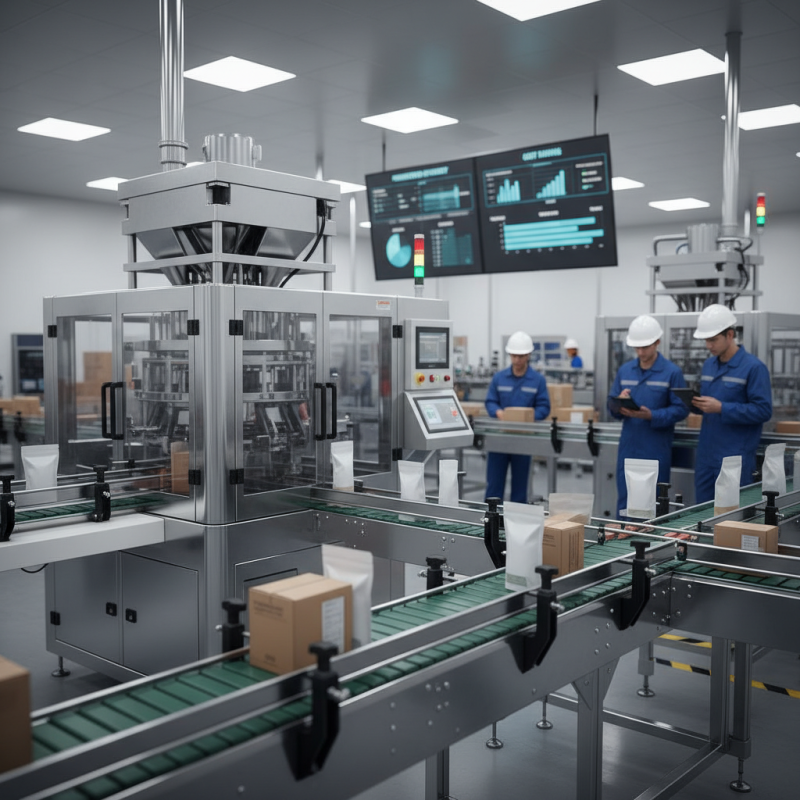
Factors to Consider When Choosing a Packing Machine
Choosing the right packing machine for your business involves careful consideration of several key factors. One primary factor is production volume. According to industry reports, businesses requiring a packing solution for over 100 units per hour may benefit from high-speed machines. However, these machines often come at a higher upfront cost. A smaller company with lower output may find semi-automatic machines more suitable. They are less costly and require less maintenance, but they may slow down as production needs grow.
Another critical aspect is the type of product being packed. The packaging method—whether it’s vacuum sealing, shrink wrapping, or cartoning—will determine the best machine for specific requirements. For instance, granular products like rice or sugar may need different handling than liquids, which can lead to spills if improperly packed. Data from the International Packaging Institute suggests that 30% of packing machine failures can be attributed to mismatched product compatibility. This emphasizes the importance of precise selection aligned with product characteristics.
User-friendliness and ease of maintenance also deserve attention. Machines that are overly complex can lead to increased downtime and operational inefficiencies. A report from the Packaging Machinery Manufacturers Institute indicates that effective training can improve user efficiency by as much as 25%. Consideration of available technical support and service accessibility is crucial when evaluating potential machines. This dimension could significantly influence your operational continuity in the long run. A holistic view of these factors can steer you toward making a more informed decision.
Types of Packing Machines and Their Applications
When selecting a packing machine, understanding the types available is crucial. There are several main categories: vertical, horizontal, tray sealers, and automated packaging systems. Each type serves different industries with unique requirements. Vertical packing machines work well for bags, while horizontal models excel at handling boxes. Tray sealers are ideal for food packaging, ensuring freshness and prolonging shelf life. Automated systems enhance efficiency, reducing labor costs significantly.
Choosing the right machine depends on your product and volume. For instance, small businesses may find that a simple vertical machine suffices. However, larger production lines might benefit from advanced automation. Some might discover that packaging machinery does not always fulfill their expectations. Downtime can occur, leading to frustration. It’s essential to consider maintenance. Regular upkeep is required to avoid disruptions.
Understand the limitations of your chosen machine. Not every model can handle all product types. Sometimes, a machine's speed may not match your business needs. Conducting thorough research and consulting with experts can help mitigate such pitfalls. It's vital to weigh the benefits against potential shortcomings. Balancing these factors can guide you to the best packing machine for your operation.
How to Choose the Best Packing Machine for Your Business? - Types of Packing Machines and Their Applications
| Type of Packing Machine | Application | Speed (packages per minute) | Best for |
|---|---|---|---|
| Vertical Form Fill Seal | Granular products, powders, and liquids | 30-120 | Snack foods, coffee, and pet food |
| Horizontal Flow Wrapper | Products needing durable packaging | 60-300 | Bakery items, candy, and medical supplies |
| Case Packer | Packing products into boxes | 20-60 | Beverages, and household products |
| Lid Applicator | Sealing containers | 20-100 | Food containers, pharmaceutical products |
| Shrink Wrapper | Packaging with shrink film | 15-80 | Bottles, cans, and toys |
Evaluating Production Volume and Speed Requirements
Choosing the right packing machine hinges on understanding your production volume and speed needs. According to industry reports, factories producing over 300 units per hour benefit from high-speed machines. If your output is lower, a semi-automatic model could suffice. Assessing your production rate is crucial.
Consider this: if you expect to scale operations, a high-capacity machine may be worth the investment. However, these machines often come at a higher cost. You need to evaluate if the potential speed justifies the expense. A machine that exceeds your current needs could lead to underutilization. On the other hand, one that is too slow may cause delays and missed deadlines.
Tips: Monitor your production rates regularly. Adjust your machine choices as your output fluctuates. Look for machines with adjustable speeds. This feature can accommodate varying production demands. Engaging employees in this process can yield insights into practical needs, often missed during formal reviews. Their hands-on experience is invaluable.
Production Volume and Speed Requirements for Packing Machines
Assessing Budget and Cost-Effectiveness
Assessing your budget is crucial when selecting a packing machine for your business. It's not just about the initial purchase price. Consider operational costs, maintenance, and potential downtime. These additional expenses can add up over time and affect your bottom line significantly.
Tips: Research different machines and their features. Compare warranty options. This information can illuminate long-term costs hidden in the initial price tag.
Look at your specific needs. A machine that caters to your production scale can be more cost-effective. For small businesses, entry-level machines may suffice. They can still offer good performance without breaking your budget.
Tips: Talk to industry peers for insights. Their experiences can highlight effective choices and pitfalls to avoid.
Don't overlook reliability. A cheaper machine might seem appealing, yet frequent repairs can be a drain. It's better to invest in a machine with a solid reputation for durability. This often pays off in the long run and enhances productivity.
Tips: Read customer reviews. Real experiences can provide valuable context about performance and longevity.
Maintenance and Support for Packing Machines
When selecting a packing machine, maintenance and support are critical factors. Regular maintenance extends the life of your machine. It also ensures consistent performance. A well-maintained machine reduces the risk of unexpected breakdowns. This can save time and money in the long run.
Training is essential for your staff. They should understand how to operate the machine properly. Misuse can lead to issues that require costly repairs. Consider the availability of technical support. A strong support system can help you troubleshoot problems quickly. This minimizes downtime and keeps operations running smoothly.
Your packing machine will need parts replaced over time. Understand the process for ordering replacement parts. Some vendors have extensive networks for this. Others may leave you waiting. Knowing how to access support can provide peace of mind. It’s crucial to have a plan in place for unexpected challenges. Investing time in understanding maintenance can save headaches later.
